A total solar eclipse gives a vacation a rather unforgiving deadline. You can (likely) visit the museum tomorrow as well. You cannot ask the Moon to do it again.
That makes an eclipse trip worth questioning a little more closely than your average beach vacation. Accommodation, transportation, and a promising observing location are a start. But what happens if clouds threaten, the group grows, or the advertised plan changes?
Recent discussions on the Solar Eclipse Mailing List (SEML) remind us how differently travelers and operators can interpret the words “eclipse trip.” Before you hand over a deposit, here are the questions worth asking.
What am I actually booking?
Start with the basics: what does the price cover?
Accommodation might come with information evenings, shared meals, optional activities, transportation, or an organized observing excursion. Some elements may be included, while others require separate reservations or payment.
Ask which arrangements are confirmed and which are still being developed. “We’re exploring a boat trip” and “your boat trip is included” are sentences with considerably different consequences.
It also helps to explain what you want. A photographer bringing several cases of equipment, a solo traveler hoping to meet people, and a couple looking for a comfortable base may have quite different priorities.
How much independence will I have?
Some travelers want someone else to handle the details. Others want local knowledge and good company while retaining control over their days.
Can you join selected activities? Spend a day exploring independently? Choose your own eclipse-viewing location? If you book accommodation with the group, are you expected to follow a shared schedule?
Neither a tightly organized itinerary nor an independent stay is automatically better. What matters is finding the arrangement that suits you and your traveling companions.
Find out how the group stays in touch, too. Independence is easier to enjoy when you know where to find practical updates and how to reconnect afterward.

How will I get around?
Ask which journeys you are responsible for arranging and which transportation the organizer provides.
You might need your own rental car, use an e-bike for local trips, or reserve a place on a group transfer. Airport arrivals, sightseeing outings, and eclipse-day transportation may each work differently.
If a van or bus is available, check whether you need to book a seat, what it costs, where it goes, and how much equipment it can carry. Its existence doesn’t necessarily mean there is a seat for every guest whenever they need one.
If you intend to travel independently, ask about distances, access, parking, and any practical limitations the team already knows about.
What eclipse information will be provided?
Accommodation and friendly faces are valuable. So is knowing what you’re looking at and how to prepare for it.
Ask whether there will be a pre-eclipse information evening, recommended observing locations, practical guidance, or weather updates. Who provides that information, and when will you receive it?
A briefing can also clarify how eclipse day will work: whether there is a shared meeting point, what guests should bring, and which decisions remain theirs.
You shouldn’t need to become an expedition planner to enjoy an eclipse. But you should understand your part in the arrangements.
What happens if the weather looks unfavorable?
“We’ll keep an eye on the weather” is a start. Ask what happens after someone has looked at it.
Will the team share information about alternatives? Is there a group observing plan that might change? Are guests expected to make their own decisions using their own transportation?
Those are different arrangements, and each should be explained clearly.
Ask about the limits, too. An alternative location needs to be reachable, accessible, and suitable for observing. Moving may involve traffic, additional costs, or less time to set up. Neither staying nor moving can promise a clear sky.
If you prefer to choose your own viewing location, establish how that affects any shared transfers or activities you have booked.
On a cruise, does the eclipse take priority?
Cruises make the question of flexibility particularly interesting. A ship can move, but its itinerary, operating constraints, and passengers’ priorities still matter.
In the SEML discussion, travelers described very different experiences: captains who adjusted their routes to seek clearer skies and voyages where passengers felt the original schedule took precedence.
A positive example is Andrew Lowe’s account of the Zaandam’s 2024 eclipse cruise. He describes advance briefings about alternative routes, a changed observing location, and a missed port stop.
Before booking, ask how eclipse-positioning decisions are made within the ship’s safety and operational limits. How do the captain, weather adviser, and eclipse specialists work together? What changes to the itinerary are genuinely possible?
Also ask whether the voyage is a dedicated eclipse charter or a regular cruise carrying an eclipse group. Other passengers may be much more invested in a promised port visit than in finding a gap in the clouds.
If you are crossing an ocean for totality, you probably want to know whether a sightseeing stop gets a veto.
What will the observing conditions be like?
“Inside the path of totality” leaves quite a lot unanswered.
Ask about the view toward the Sun, available space, access, toilets, shade, and seating. Is the suggested location public or reserved? How far is it from the parking or drop-off point?
Photographers should ask about tripod space and whether equipment can be set up without blocking other people’s views. On a ship, usable deck areas and movement deserve particular attention.
If you’re choosing your own location, the same questions apply. A promising pin on a map is the beginning of your research.
Tell the organizer about accessibility needs before booking. Nobody should discover at the last minute that “a short walk” includes a steep scramble.
What depends on enough people signing up?
Accommodation, excursions, presentations, and transportation may have different minimum numbers.
Ask what is guaranteed to go ahead, when decisions will be made, and how changes will be communicated. If an advertised activity is removed, what happens to any payment you made for it?
This matters particularly when that activity is a major reason for choosing the trip. You should hear about a change while you still have time to consider your options.
What are the booking terms, including if clouds win?
Check accommodation dates, room arrangements, payment deadlines, cancellation terms, and optional extras before paying.
Then ask what happens if the eclipse is obscured. What services will still be provided? Do the terms offer any weather-related refund or other remedy? Don’t infer the answer from an enthusiastic headline.
Keep a copy of the description and terms you booked against.
The rest of the stay matters, too: the place, the people, and the experiences around eclipse day. Choose those with care, even when totality is your main reason for going.
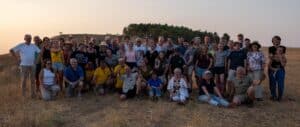
How we’re approaching it at Total Together
At Total Together, we’re bringing eclipse enthusiasts together in Tarifa and Tangier, with accommodation, pre-eclipse information evenings, and activities around the main event. Guests will have room to shape their own stay, including choosing where to watch the eclipse. Many will use their own rental cars or e-bikes, and we’re planning some additional transportation support. We’ll explain what’s included, what’s optional, and what you’ll need to arrange yourself as the plans develop.
The idea is to combine useful preparation and shared excitement with the freedom to enjoy your own trip. Meet people beforehand, compare plans, and have new friends to exchange stories with afterward.
For the total solar eclipse on August 2, 2027, tell us what you’re looking for. Your group size, accommodation preferences, intended length of stay, and preferred level of independence all help us understand what would suit you.
Some photos by Jason Howell, Adam Dutton, and Michael Kahn on Unsplash
Leave a Reply