
This article contains referral links. I may earn a reward if you sign up through one and meet the provider’s conditions, at no extra cost to you.
I barely ever carry cash. In Tarifa, I can pay with my phone in most places. In Tangier, I can do it in plenty of places, too. I still like having a few Euros in my pocket in Spain and some Moroccan Dirhams once I’m across the Strait. The one time you need cash is usually when you’ve already ordered something.
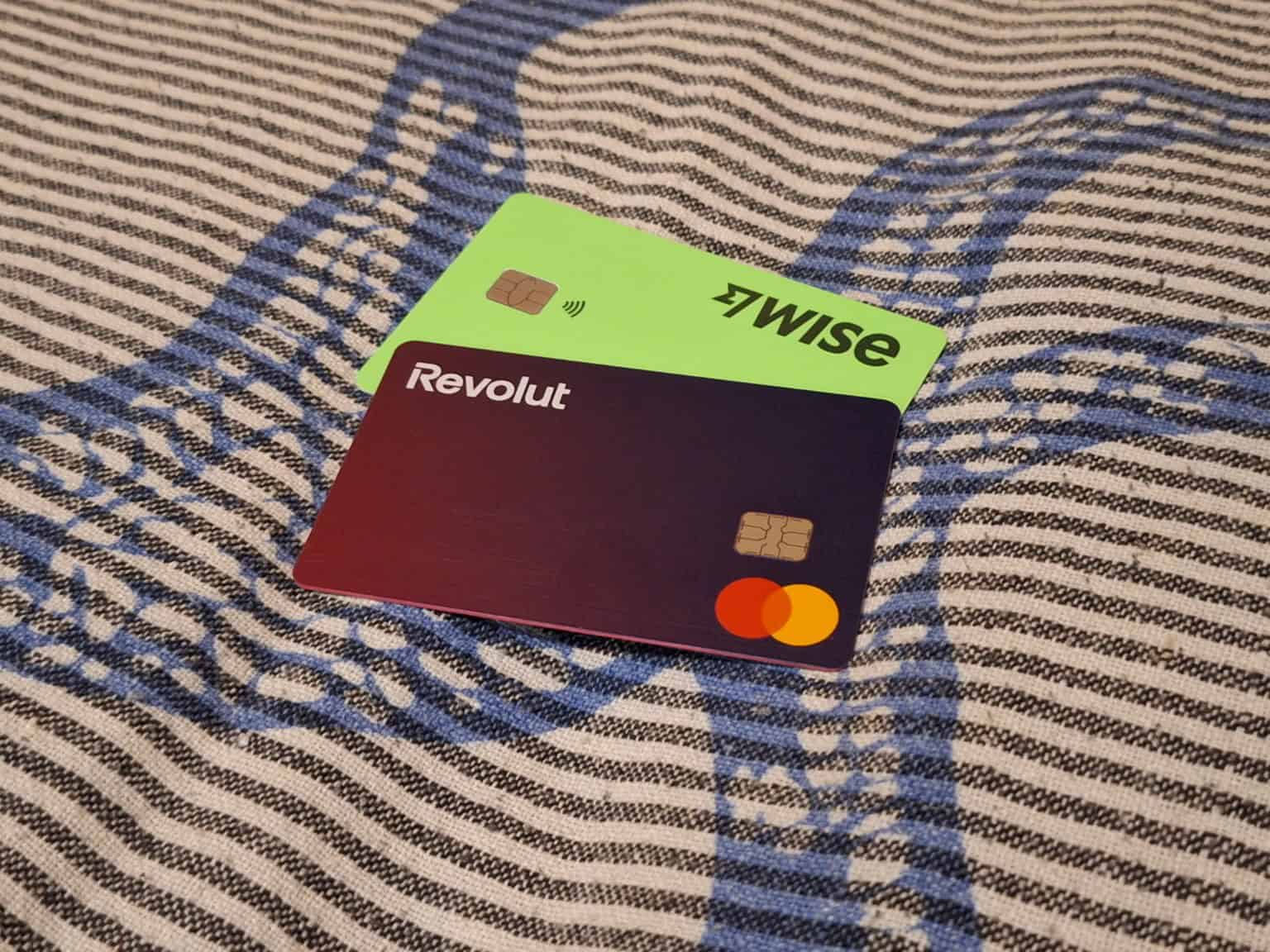
Revolut and Wise are two fintech apps that come with debit cards. If you’re coming from the US and usually reach for a credit card with points, here’s where I’d get on the debit card bandwagon. When I need cash abroad, I’d rather put a separate travel card with a small balance into the ATM. A travel card can still get skimmed, but the card details the thief gets are tied to my travel account, so my main checking account is less exposed.
What’s fintech?
Fintech is short for financial technology. It’s a catch-all for apps and online tools that help you manage money. In this article, that means apps like Revolut and Wise that let you exchange currencies, pay with a debit card, and freeze the card from your phone.
Chasing the August 2, 2027 total solar eclipse? Whether you’re heading to Tarifa or Tangier, Luxor in Egypt, or somewhere else along the path, the same trick applies. At an ATM or card terminal, pay in the local currency so the machine doesn’t get to pick the exchange rate for you.

Put the virtual card on your phone before you leave
Both providers let you add an eligible virtual card to Apple Wallet for Apple Pay or Google Wallet. Look for the regular virtual card in the app. With Revolut, the single-use one is for online purchases. Once the regular one is in your wallet, tap your phone at a contactless terminal like you would a physical card. Do it once at home so your first test isn’t with a queue behind you. Revolut’s virtual card guide y Wise’s digital card and wallet details.
I’d still bring a physical debit card and know its PIN. It’s handy at ATMs, and it works when your phone is dead or a terminal wants you to insert a card. If you’re renting a car or scooter, or booking a hotel that takes a deposit, ask whether they’ll take a debit card for the deposit. That’s one good reason to bring a credit card along if you already have one.

What Revolut and Wise cost if you live in the US
These are the published US personal account fees as of November 22, 2026. Your account country determines your fees. Crossing from Spain into Morocco won’t turn your US plan into a European one.
I’m European, and I spent more than two months in the US happily paying for everyday stuff with travel cards. Fintech goes both ways. I like having a card built for spending in other currencies when I travel. With my usual bank card, I’d first have to look up what it charges for a foreign purchase or an ATM withdrawal. If your bank already gives you a good exchange rate and low fees abroad, compare what you’d actually pay before switching.
Which is better for travel, Revolut or Wise? For a US account, I’d look at Revolut Standard for mostly card payments and weekday currency exchanges. I’d check Wise first if I expect to take out cash. Wise’s US card has a $250 monthly ATM allowance before Wise starts charging withdrawal fees. The ATM operator can still charge its own fee.
| What it costs | Revolut Standard | Wise |
|---|---|---|
| Monthly subscription | $0 | $0 |
| First physical card | Up to $4.99, plus delivery. Standard delivery is $0–$5. | $9 to order |
| Currency conversion | No extra exchange fee during market hours up to $1,000 per monthly cycle. Then 0.5% on the extra amount. A 1% fee applies outside market hours. | Mid-market rate plus a fee that varies by currency pair. No conversion fee if you already hold the currency you’re spending. |
| ATM withdrawals | No Revolut fee at in-network ATMs. Up to 2% out of network. | No Wise ATM fee up to $250 per calendar month. After that, $1.95 plus 1.95% per withdrawal. |
The ATM operator can tack on its own fee, and a withdrawal can also trigger a conversion fee. Those are separate things. See Revolut’s US Standard fee schedule y Wise’s US card pricing.
When I’d pick Revolut
I’d look at Revolut Standard if I mostly expect to tap my phone and can do the bigger exchanges during the week. The 1% outside-hours fee kicks in at 5 p.m. Friday and ends at 6 p.m. Sunday, US Eastern time. If I’m flying into Spain on a Saturday, I can convert some dollars to Euros in advance and spend from that balance. For cash, I’d check whether the ATM is in network before assuming a withdrawal is free.
Sign up for Revolut (Referral link. Eligibility and deadlines depend on the campaign.)
When I’d pick Wise
For a trip where I expect to take out cash, I’d start by checking Wise’s $250 monthly ATM allowance. If I’ll go through more than that, I’d check what the next withdrawal will actually cost. A flat $1.95 fee especially annoys me on a tiny withdrawal. For card payments, Wise can use a balance you already hold or convert as you go. The conversion fee depends on the currencies involved.
Sign up for Wise (Referral link.)
Is it safer to use a separate debit card at ATMs abroad?
A separate travel debit card is my pick for getting cash out of an ATM. I’d keep a modest balance in it and leave the card tied to my main checking account somewhere else. That way, if the travel card gets skimmed, the card the thief copied is tied to my travel balance. My favorite ATM is inside a bank, somewhere I can close a door behind me. You won’t always find that setup in Tarifa or Tangier. If I use a street ATM, I check if the card reader wiggles and cover the keypad when I enter my PIN. If the reader feels loose, I walk away. A quick wiggle check can miss a skimmer, which is one more reason I keep the balance on my travel card low. Still, I wouldn’t spend my trip worrying about skimmers. A quick check and a small travel balance are simple precautions. FBI tips on ATM skimming.
Turn on transaction alerts. If a withdrawal you didn’t make pops up, freeze the card in the app and report the charge to the provider right away. Here’s how to freeze a Revolut card or a Wise card.
Should you pay in dollars or local currency abroad?
If a machine in Tarifa asks whether you’d like to be charged in dollars or Euros, pick Euros (EUR). In Tangier, pick Moroccan Dirhams (MAD), even if it offers Euros. In Luxor, pick Egyptian pounds (EGP) if it offers to charge you in US dollars. The option may also say “continue without conversion.” That lets your card provider do the conversion. The machine may still charge a separate withdrawal fee, so check the total before you confirm. If the fee seems ridiculous, cancel and try another ATM. Wise’s guide to ATM currency conversion.

One last thing. Check the Visa or Mastercard logo.
Revolut and Wise cards can run on Visa or Mastercard, so you can order one of each and still end up with two Visa cards. I’d check what I’ve got before packing. If you have one of each, you have another option when a machine only takes one network. Keep the backup somewhere other than the wallet you use every day. Revolut’s card networks y where the Wise card works.



Deja una respuesta